Sony's decision to end physical-disc production for new PlayStation games in January 2028 is developing into more than a dispute over changing technology.
The announcement has triggered the rapidly growing Don't Kill the Disc petition, renewed attention around an existing Dutch consumer lawsuit over PlayStation Store pricing and a proposed antitrust complaint from two Mexican lawmakers.
Together, the developments have shifted the debate away from nostalgia and toward competition, consumer choice and digital ownership.
Sony announced on July 1, 2026, that physical-disc production for all new games released on PlayStation consoles will end beginning in January 2028. New titles released after that point will be distributed digitally through the PlayStation Store and participating retailers. Games released, or already scheduled for a physical release, before January 2028 will not be affected.
Why Sony Is Ending Physical PlayStation Games
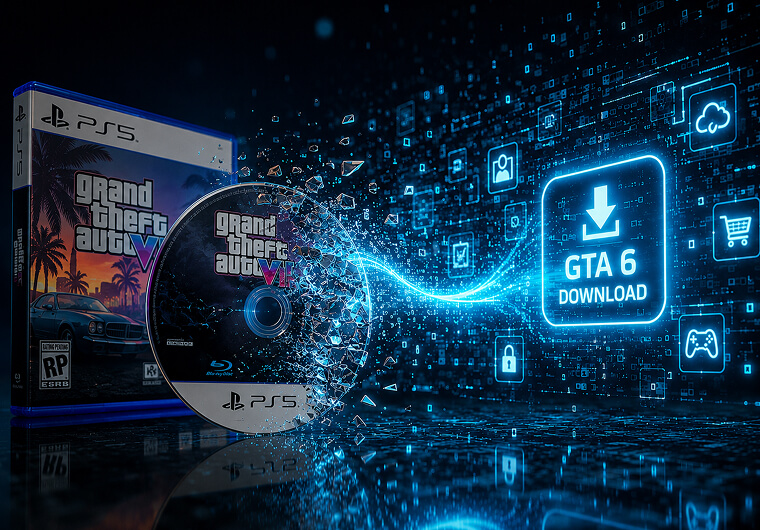
Sony said the decision reflects changing consumer preferences and a wider entertainment-industry shift from physical products to digital distribution.
The company maintains that customers will continue to have a choice between purchasing digital games directly through the PlayStation Store and obtaining them from retailers. However, those retail products would still be digital rather than playable physical discs.
That distinction has become central to the backlash.
Retail download codes may preserve different points of sale, but they do not recreate the features associated with physical ownership. A digital code generally cannot be resold, traded, lent to a friend or purchased second-hand after the original buyer has finished the game.
As a result, critics argue that the change would eliminate not only a storage format but also an independent resale and retail market built around physical PlayStation games.
Don't Kill the Disc Petition Passes 250,000 Signatures
The Don't Kill the Disc petition has become the most visible expression of opposition to Sony's plan.
The Change.org campaign was launched by Canadian retailer PNP Games on July 1, the same day Sony announced the transition. By July 9, it had passed 250,000 signatures, with the organizers saying the milestone had been reached in little more than one week.
The campaign asks Sony to continue supporting disc-based PlayStation games beyond 2028. Its argument is not that digital distribution should disappear, but that physical media should remain available as an alternative.
Supporters say physical games allow consumers to:
- Resell completed games
- Purchase discounted used copies
- Lend or gift games
- Trade games to fund future purchases
- Build permanent physical collections
- Shop between competing local retailers
The speed at which the petition reached a quarter of a million signatures indicates that the issue extends beyond a small community of collectors. It has become a broader consumer-rights debate about what players receive when they purchase a game.
Mexican Lawmakers Prepare Sony Antitrust Complaint
The sharpest new legal development is emerging in Mexico.
Federal Representative Irais Reyes and Senator Luis Donaldo Colosio are preparing a formal complaint asking Mexico's National Antitrust Commission to examine whether Sony's decision could lead to anti-competitive practices in the PlayStation market.
According to LEVEL UP, the two lawmakers intend to submit the complaint as private citizens and video game consumers.
Their argument is that removing playable physical discs could give Sony excessive influence over how new PlayStation games are distributed, priced and accessed.
The lawmakers claim retailers including Liverpool, Sanborns and GamePlanet could lose their ability to compete in the sale of new physical PlayStation releases. They also warn that the used-game, trade-in and lending markets could effectively disappear for games launched after the 2028 deadline.
However, Sony's official announcement states that new digital games will remain available through retailers as well as the PlayStation Store. Therefore, the legal question may not be whether every transaction must occur directly inside Sony's storefront, but whether alternative digital retail channels provide meaningful competition when every purchase still depends on Sony's platform and licensing infrastructure.
That distinction could become important should Mexico's competition authority decide to investigate.
PlayStation Store Control Becomes the Central Issue
The proposed Mexico complaint focuses on Sony's multiple roles within the PlayStation ecosystem.
Sony produces the console platform, operates the PlayStation Store, controls the technical infrastructure and establishes the terms under which publishers can distribute games to PlayStation users.
Physical releases currently provide an alternative channel. Retailers can compete through discounts, bundles, trade-ins and second-hand sales, while consumers can transfer discs between compatible consoles.
Once physical discs disappear for new releases, retailers may still sell digital access, but the product itself will remain connected to Sony's account systems and platform rules.
Reyes and Colosio argue that this concentration could harm consumers and developers by reducing price competition and making publishers increasingly dependent on PlayStation's digital infrastructure. Those claims remain allegations, and the Mexican authority has not yet issued a finding against Sony.
Dutch PlayStation Store Lawsuit Adds to the Pressure
Sony is also facing a separate collective legal action in the Netherlands concerning PlayStation Store prices.
The case was initiated before Sony announced the end of physical-disc production and should not be described as a direct response to the July 2026 decision.
Stichting Massaschade & Consument, a Dutch consumer organization, accuses Sony of abusing its position in the PlayStation digital market and causing consumers to pay excessive prices for games and in-game content. The claim originally emerged publicly in February 2025.
In June 2026, a Dutch court authorized the organization to represent approximately 1.7 million PlayStation users. The group is seeking more than EUR 400 million in damages. Authorizing the action to proceed does not mean the court has determined that Sony is liable or that the consumers' allegations have been proven.
Although the Dutch case predates the disc announcement, the two issues now overlap in the wider debate.
The lawsuit questions whether Sony's control over digital PlayStation sales has resulted in higher prices. The 2028 policy raises a related question: what competitive pressure will remain once playable physical editions are no longer produced for new games?
What the End of PlayStation Discs Means for Players
Existing physical PlayStation games are not scheduled to stop working because of the policy.
Sony has said the change will not affect games released in disc format before January 2028. The announcement concerns physical production for new games released after the deadline.
The biggest effects will instead involve how consumers purchase and use future releases.
Used games and trade-ins
Players will no longer be able to sell or trade a disc after finishing a new title released after the deadline. This could make gaming more expensive for people who regularly use trade-in credit to fund their next purchase.
Lending and gifting
A physical game can be handed to a friend or given as a gift without transferring an entire account. Digital licenses are normally connected to specific accounts and platform conditions.
Retail competition
Retailers may continue selling digital versions, but they will lose the ability to compete through used copies and traditional physical inventory. Their role could increasingly be limited to selling download codes, gift cards or console bundles.
Collecting and preservation
Physical discs are not perfect preservation tools because many modern games require patches, downloads or online services. However, they generally provide more transferability than account-linked digital licenses.
The end of new disc production would therefore reduce the number of ways players can preserve, transfer and access future PlayStation releases.
Could Sony Reverse Its 2028 Disc Decision?
Sony has not announced any change to the January 2028 plan.
Several possible compromises remain available. The company could continue producing physical editions for major releases, support limited collector editions or allow publishers to decide whether demand justifies a disc version.
Sony could also rely on boxed download codes sold through retailers. That approach would maintain some retail participation but would not address concerns surrounding resale, lending or permanent physical ownership.
For now, the outcome remains unsettled.
The petition represents public pressure rather than a binding legal process. The Dutch lawsuit remains unresolved, while the Mexican antitrust complaint still needs to be submitted and considered by the relevant authority.
What is clear is that Sony ending PlayStation discs is no longer being treated as a routine format transition. It has become a test of how much control a console platform can hold over game distribution when the physical alternative disappears.
FAQs
Is Sony ending PlayStation discs in 2028?
Yes. Sony has announced that physical-disc production for all new games released on PlayStation consoles will end beginning in January 2028. New titles released after that date will be distributed in digital formats.
Will existing PlayStation discs stop working?
Sony has not announced that existing discs will stop working. The company says the transition will not affect games released, or scheduled for physical release, before January 2028.
What is the Don't Kill the Disc petition?
It is a Change.org campaign asking Sony to continue producing physical PlayStation games beyond 2028. The petition had passed 250,000 signatures by July 9, 2026.
Why are Mexican lawmakers preparing an antitrust complaint?
The lawmakers argue that ending physical releases could reduce retail competition and eliminate the resale, lending and trade-in markets for new PlayStation games. They want competition authorities to examine whether Sony would gain excessive control over distribution and pricing.
Is the Dutch lawsuit about the end of PlayStation discs?
No. The Dutch case predates Sony's disc announcement. It concerns allegations that consumers paid excessive prices because of Sony's control over PlayStation Store game and in-game content sales.
Will games still be sold by retailers?
Sony says new digital games will remain available through participating retailers as well as the PlayStation Store. However, physical discs that can be resold, lent or traded will no longer be produced for new releases after the deadline.